

Every year, shortly after the Eid-el-Kabir, also known as Eid al-Adha celebration, thousands of people gather in Ijebu-Ode, Ogun State, for one of Nigeria’s most colorful and respected cultural events, the Ojude Oba Festival.
What began as a simple gathering of Muslim converts paying homage to their king has grown into an internationally recognised cultural celebration that attracts tourists, dignitaries, photographers, historians and members of the Ijebu community from around the world.
The festival is more than a display of beautiful attire, horseback riding and cultural performances. It represents history, identity, respect for tradition and the enduring relationship between the Ijebu people and their monarch, the Awujale of Ijebuland.
As social media continues to showcase the festival’s grandeur each year, many people are becoming curious about the history of Ojude Oba, its meaning, why it is celebrated and what makes it one of Nigeria’s most important cultural festivals.
Today, Ojude Oba attracts visitors from across Nigeria and the diaspora, making it one of the most photographed cultural festivals in West Africa. Understanding the festival offers valuable insight into the traditions, history and cultural identity of the Ijebu people.
Table of Contents
What Does Ojude Oba Mean?
The name Ojude Oba comes from the Yoruba language.
“Ojude” means the king’s forecourt, courtyard or presence, while “Oba” means king.
Together, Ojude Oba translates to “the King’s Forecourt” or “Before the King.”
The name reflects the festival’s primary purpose: a gathering where people come before the monarch to pay their respects, reaffirm loyalty and celebrate their shared heritage.
Even as the festival has evolved into a major cultural event, this core purpose remains unchanged. Participants still appear before the Awujale to honour the traditional institution that has long served as a symbol of unity among the Ijebu people.
The History and Origin of Ojude Oba Festival
The roots of the festival date back to the late nineteenth century.
Historical accounts trace its origin to the period when Islam was becoming firmly established in Ijebuland. During this era, many newly converted Muslims sought a way to publicly express gratitude for the religious freedom and acceptance they enjoyed under the Awujale.
One of the figures often associated with the festival’s origin is Chief Balogun Kuku, an influential Muslim leader in Ijebu-Ode. Alongside other Muslim converts, he organised visits to the palace after the Eid celebration to pay homage to the Awujale.
These visits were not merely ceremonial. They served as an expression of appreciation to the king for fostering peace and religious tolerance within the kingdom.
According to historical accounts preserved by the Awujale’s Palace and documented by cultural historians, the tradition gradually expanded as more community groups began participating. What started as a gathering of Muslim converts eventually evolved into a festival that reflects the broader identity of the Ijebu people.
Over time, what began as a modest gathering evolved into an annual tradition. More families, community groups and social associations started participating, transforming the event into a larger cultural celebration that extended beyond religious boundaries.
Today, Ojude Oba is attended by Muslims, Christians and followers of traditional beliefs alike, making it one of the strongest examples of cultural unity in Nigeria.
The Role of the Awujale in the Festival
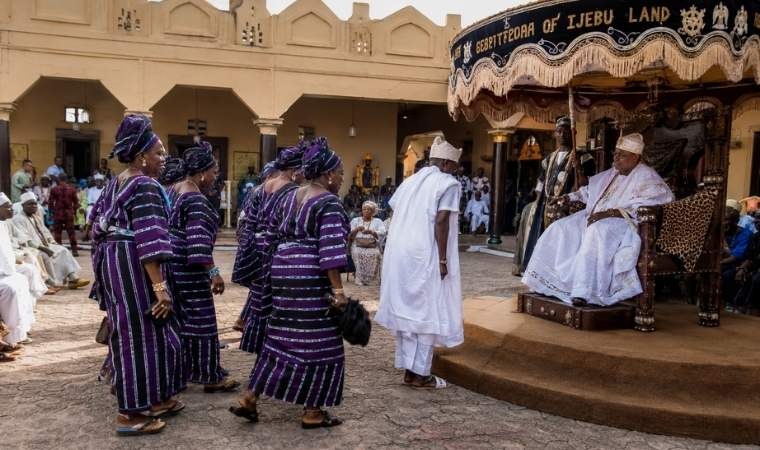
At the heart of the celebration is the Awujale of Ijebuland, the paramount traditional ruler of the Ijebu people.
The festival revolves around paying homage to the monarch. Throughout the event, various groups arrive at the palace grounds to greet the king and offer prayers, goodwill messages and expressions of loyalty.
The presence of the Awujale represents continuity between past and present generations. While Nigeria operates under a modern democratic system, traditional institutions continue to play important cultural and social roles within many communities.
For the Ijebu people, the Awujale remains a respected symbol of heritage, leadership and communal identity.
During Ojude Oba, the monarch receives delegations from different age-grade groups, family associations and cultural organisations. The ceremony reinforces the bond between the people and their traditional ruler.
How Ojude Oba Is Celebrated Today

Modern Ojude Oba is a spectacular event that combines tradition, fashion, culture and community pride.
The celebration typically takes place on the third day after Eid-al-Adha and attracts attendees from across Nigeria and the diaspora.
From the early hours of the morning, the festival grounds become filled with colourful displays of Yoruba fashion. Men appear in elegant agbadas, richly embroidered caps and traditional accessories, while women showcase beautifully crafted aso-oke, gele head ties and matching fabrics.
One of the most anticipated aspects of the festival is the parade of various cultural groups.
These groups arrive in coordinated attire, often representing families, social clubs or age-grade associations known as Regberegbe. Their appearance demonstrates unity, organisation and pride in Ijebu heritage.
Each group seeks to present itself with dignity and elegance before the king.
The atmosphere is further enhanced by traditional drumming, music, dancing and cultural performances that celebrate Yoruba artistic traditions.
The Famous Regberegbe Age-Grade System

A unique feature of Ojude Oba is the participation of the Regberegbe groups.
The Regberegbe system is an important social institution among the Ijebu people. Individuals born within similar periods are organised into age-grade associations that contribute to community development and social welfare.
These groups often maintain strong bonds throughout their lives.
During Ojude Oba, members gather in coordinated outfits and make ceremonial appearances before the Awujale. Their presentations are among the most photographed moments of the festival.
Beyond the visual appeal, the Regberegbe system highlights the importance of community participation, responsibility and collective identity within Ijebu society.
It demonstrates how traditional structures can continue to thrive while adapting to modern realities.
The Horse Riders of Ojude Oba

Another iconic element of the festival is the appearance of horse-riding families.
These horsemen, often descendants of historical warrior lineages, arrive in grand processions dressed in elaborate attire.
The horse displays are rooted in Ijebu history and reflect the military traditions that once played significant roles in protecting the kingdom.
As the riders gallop before the crowd, spectators witness a dramatic representation of courage, prestige and ancestral pride.
The horse parades have become one of the most recognisable images associated with Ojude Oba and frequently attract photographers from around the world.
Their presence serves as a reminder of the rich historical legacy that continues to shape contemporary cultural identity.
Why Is the Ojude Oba Festival Famous?
Ojude Oba is famous for its unique blend of culture, fashion, history and royal tradition. Unlike many festivals that focus solely on performances, Ojude Oba brings together thousands of people who gather to pay respect to the Awujale of Ijebuland while celebrating their heritage.
The festival is particularly known for its colourful Regberegbe age-grade groups, stunning Yoruba attire, spectacular horse-riding displays and strong sense of community participation. In recent years, photographs and videos from the event have gone viral on social media, introducing millions of people around the world to the beauty of Ijebu culture.
Its combination of tradition, elegance and cultural pride has made it one of the most recognised festivals in Nigeria and across Africa.
Why Ojude Oba Matters to the Ijebu People
For many Ijebu sons and daughters, Ojude Oba is more than an annual festival.
It is a reunion.
Families travel from Lagos, Abuja, Port Harcourt, London, Houston and other cities to reconnect with relatives and participate in the celebration.
The festival creates opportunities for younger generations to learn about their roots while strengthening ties with their ancestral homeland.
One of the ways the Ijebu people preserve their identity is through Oriki (praise poetry), a powerful oral tradition that celebrates family lineage, achievements and cultural heritage. If you would like to explore this aspect of Ijebu culture further, read our guide on Oriki Ijebu: Meaning, History and the Praise Poetry of the Ijebu People.
In an era when urbanisation and migration can weaken cultural connections, Ojude Oba provides a powerful platform for preserving traditions and passing them on to future generations.
The event also promotes a sense of belonging. Regardless of where participants live, the festival reminds them of their shared history and identity as members of the Ijebu community.
Cultural Significance Beyond Ijebuland
Although deeply connected to Ijebu culture, Ojude Oba has grown into a national cultural event.
It serves as an example of how traditional festivals can remain relevant in modern society without losing their historical essence.
The festival promotes cultural education by exposing visitors to Yoruba customs, language, fashion and social structures. Similar cultural traditions can be found across Yorubaland, where communities preserve their history through praise poetry and oral storytelling. For example, our article on Oriki Ede: The Meaning, History and Praise Poetry of Ede People explores how another Yoruba community celebrates its heritage.
The rich tradition of Yoruba praise poetry is also evident in other towns and kingdoms. Learn more in our article on Oriki Iwo, which highlights the historical identity and cultural pride of the Iwo people.
For Nigerians from other ethnic groups, Ojude Oba offers an opportunity to appreciate the richness and diversity of the country’s cultural heritage.
For international visitors, it provides a unique window into African traditions that continue to thrive in contemporary settings.
Its popularity has also helped challenge misconceptions that traditional celebrations are outdated. Instead, Ojude Oba demonstrates how cultural heritage can coexist with modern lifestyles and technologies.
Economic Impact of the Festival
The influence of Ojude Oba extends beyond culture. Every year, the event generates significant economic activity in Ijebu-Ode and surrounding communities.
Hotels experience increased bookings as visitors arrive from different parts of Nigeria and abroad. Restaurants, transport operators, fashion designers, photographers and event vendors also benefit from the influx of guests.
Traditional textile makers and artisans receive additional visibility as festival attendees seek authentic cultural attire and accessories.
The growing popularity of the festival has contributed to the development of cultural tourism in Ogun State, creating opportunities for local businesses and entrepreneurs.
Many observers now regard Ojude Oba as one of Nigeria’s most successful examples of culture-driven tourism.
The growing popularity of the Ojude Oba Festival has also increased international awareness of Ijebu culture and heritage.
Ojude Oba in the Age of Social Media

In recent years, social media has significantly expanded the festival’s global reach.
Images and videos shared on platforms such as Instagram, Facebook, TikTok and X have introduced millions of people to the event.
The striking fashion, coordinated group appearances and horse-riding displays frequently go viral, drawing attention from audiences who may have never heard of Ijebuland before.
This increased visibility has encouraged greater participation among younger generations.
Rather than replacing traditional values, digital platforms have helped preserve and promote them by making cultural heritage more accessible to wider audiences.
As a result, Ojude Oba continues to gain recognition as one of Africa’s most visually impressive cultural festivals.
Preserving Tradition for Future Generations
One reason for the enduring success of Ojude Oba is its ability to balance tradition and modernity.
While the festival embraces contemporary media and attracts corporate sponsorships, its foundational values remain intact.
Respect for elders, honour for the monarchy, community participation and cultural pride continue to guide the celebration.
These values resonate across generations because they address universal human desires for identity, belonging and continuity.
As younger Ijebu people become involved in organising and promoting the festival, the likelihood of its survival and growth increases.
The festival’s continued relevance demonstrates that cultural traditions do not need to disappear in a rapidly changing world. With community support and adaptation, they can remain vibrant and meaningful.
The Ojude Oba Festival is far more than a colourful annual event.
It is a living expression of Ijebu history, cultural identity and communal pride.
From its origins as a gathering of Muslim converts paying homage to the Awujale, it has evolved into one of Nigeria’s most celebrated cultural festivals. The event brings together families, showcases traditional fashion, honours historical institutions and strengthens the bonds that unite the Ijebu people.
Its influence now extends beyond Ogun State, attracting national and international attention while contributing to cultural tourism and economic development.
As each generation gathers before the king, the festival continues to reaffirm an important truth: culture remains strongest when people actively celebrate, protect and pass it on.
For the Ijebu people and for Nigeria as a whole, Ojude Oba stands as a powerful symbol of heritage, unity and enduring tradition.
Frequently Asked Questions About Ojude Oba Festival
Where is the Ojude Oba Festival held?
The festival is held in Ijebu-Ode, Ogun State, Nigeria, where participants gather to pay homage to the Awujale of Ijebuland.
When does Ojude Oba take place?
Ojude Oba is traditionally celebrated on the third day after Eid-el-Kabir (Ileya) each year.
What is the meaning of Ojude Oba?
Ojude Oba means “Before the King” or “The King’s Forecourt” in the Yoruba language.
Who started the Ojude Oba Festival?
Historical accounts link the festival’s origin to Muslim converts in Ijebu-Ode, including influential figures such as Chief Balogun Kuku, who organised visits to honour the Awujale after Eid celebrations.
Why are horse riders important during Ojude Oba?
The horse riders represent historical warrior families and symbolise bravery, prestige and the military heritage of Ijebuland.
What do people wear to Ojude Oba?
Participants typically wear traditional Yoruba clothing. Men often dress in agbada, sokoto and fila, while women wear aso-oke outfits paired with elaborate gele head ties. Many families, social groups and age-grade associations coordinate their attire to reflect unity and cultural pride.
Is Ojude Oba a religious festival?
Although the festival originated from Muslim converts paying homage to the Awujale after Eid celebrations, it has evolved into a broader cultural event. Today, people from different religious backgrounds participate, making it a celebration of Ijebu heritage, unity and tradition.
Can non-Ijebu people attend the festival?
Yes. The festival is open to visitors from all backgrounds and attracts tourists, researchers, photographers and culture enthusiasts from across Nigeria and around the world.
Sources
- Awujale and Paramount Ruler of Ijebuland Palace Historical Records
- Ogun State Ministry of Culture and Tourism
- National Council for Arts and Culture (NCAC)
- Encyclopaedia Britannica – Yoruba People
- Academic studies on Yoruba festivals and Ijebu history

Author: Adebukola Ogunremi
Adebukola Ogunremi is a Nigerian writer who creates content on personal finance, career growth, workplace trends, and money habits, helping readers make smarter financial and professional decisions. She is also a God-fearing Woman with brains🙂