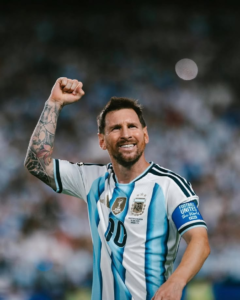

For many professional footballers, the final whistle of their career is not just the end of a game, it’s the end of an identity.
Football is more than a profession; it is a lifestyle built on routine, adrenaline, fame, and financial reward. But what happens when the boots are hung up for good?

Table of Contents
The Reality of Retirement
Unlike most careers, football often ends early—typically between the ages of 30 and 40.
While this may seem like a comfortable exit point, many players struggle with the sudden transition.
The daily structure of training, traveling, and competing disappears overnight, leaving a void that can be difficult to fill.
Former England striker Wayne Rooney once admitted that adapting to life after football requires mental adjustment.
The shift from being constantly in the spotlight to a quieter life can be overwhelming for many athletes.
Financial Challenges
Despite the perception that all footballers are wealthy, not every player retires with financial security.
Poor investments, lack of financial education, or extravagant lifestyles can lead to financial struggles.
A famous example is Ronaldinho, who reportedly faced financial difficulties despite earning millions during his career.
His situation highlights the importance of financial planning and management during a player’s active years.
Mental Health and Identity Crisis
Football gives players a strong sense of identity. When that identity is gone, some struggle with depression, anxiety, or a feeling of purposelessness.
The roar of the crowd, the competition, and the recognition suddenly vanish.
Former Arsenal player Tony Adams has spoken openly about his battles with addiction and mental health after retirement. Today, he uses his experience to help other athletes navigate similar challenges.
New Paths: Coaching, Business, and Media
Not all stories are negative. Many players successfully reinvent themselves after retirement:
Coaching and Management:
Pep Guardiola transitioned from a legendary player to one of the most successful football managers in history.
Business Ventures:
David Beckham built a global brand, investing in fashion, sports franchises, and endorsements.
Media and Punditry:
Thierry Henry became a respected football analyst and coach, staying connected to the game in a new way.
These examples show that with planning and adaptability, life after football can be just as impactful as life on the pitch.
Challenges some players face after retirement
Some footballers have found retirement particularly difficult, often due to loss of identity, financial struggles, or personal issues.
Here are a few well-known examples:
- Paul Gascoigne
“Gazza” is one of the most famous cases.
Despite his incredible talent, Gascoigne struggled heavily after retirement with alcoholism, depression, and legal troubles.
His life after football became a long battle with mental health, showing how fame and pressure can take a lasting toll.
- George Best
A legend of the game, Best’s post-football life was marked by severe alcohol addiction.
Despite his success with Manchester United, he couldn’t cope well after leaving the spotlight.
His health deteriorated, and he eventually died from alcohol-related complications.
- Adriano
Once one of the most feared strikers in the world, Adriano’s career declined rapidly after personal tragedies, including the loss of his father.
After retirement, he struggled with depression and reportedly withdrew from professional life, often returning to his old neighborhood in Brazil.
Education and Skill Development
Modern football organizations are now encouraging players to prepare for retirement early.
Programs focused on education, entrepreneurship, and skill development are becoming more common.
For instance, many clubs in the English Premier League offer career transition support, helping players explore opportunities beyond football.
The Nigerian Perspective
Life after football in Nigeria presents a mix of success stories and cautionary tales.
While a few players have built stable lives after retirement, many others have struggled due to limited support systems, poor financial planning, or lack of career direction.
Success Stories
- Jay-Jay Okocha
One of Nigeria’s most iconic players, Okocha transitioned smoothly into life after football.
He has remained active in football administration, business, and ambassadorial roles.
His smart financial decisions and continued involvement in the sport have helped him maintain relevance and stability.
- Joseph Yobo
After retiring, Yobo stayed connected to the game and was appointed as an assistant coach for the Super Eagles.
His transition shows how players can leverage experience into coaching and leadership roles within Nigerian football.
Challenging Cases
- Taribo West
Taribo West’s post-football life has been unconventional. After retiring, he became a pastor.
While not a negative outcome, it reflects how drastically life paths can change when players leave football without a structured transition plan.
- Wilson Oruma
Oruma’s story is one of the most troubling. After retirement, he reportedly lost a significant portion of his wealth through a fraudulent investment scheme.
This led to severe emotional and mental health struggles, highlighting the risks of poor financial advice.
- Celestine Babayaro
Babayaro has largely stayed away from the spotlight since retirement.
While not associated with major controversies, his quiet disappearance from football reflects a common reality—many players struggle to find a new identity or platform after their careers end.
This underscores the need for stronger institutional support, financial literacy programs, and career planning within Nigerian football.
Conclusion
Life after football is a journey filled with both challenges and opportunities.
While some players struggle with identity, finances, and mental health, others reinvent themselves and thrive in new roles.
The key lesson is simple: football careers are temporary, but life is long.
Preparing for the future—financially, mentally, and professionally—is essential.
Because when the game ends, a new one begins—and how well a player plays it depends on the choices made long before the final whistle.
Follow us for more update about football on Habanaija.com